


Why Seaweed Is Worth the Walk
Britain has some of the richest seaweed beds in Europe — over 600 species around our shores, from leathery kelp forests in the cold north to the feathery reds tucked into Cornish rock pools. For a forager, that's an extraordinary larder sitting right at the tideline: dulse with its smoky, bacon-like depth; sugar kelp that makes a fine stock; laver for the Welsh breakfast classic; and peppery samphire marching across the saltmarsh in high summer.
It's also free food that regenerates quickly, needs no soil, no watering and no fertiliser. But it comes with a set of responsibilities that matter more than the recipe you have in mind. Harvest badly, or from the wrong water, and you risk both your own health and the health of a habitat that takes years to recover.
Read the Water Before You Read the Recipe
The single most important rule is this: only forage from clean water. Seaweed is a sponge. It takes up what's in the sea around it, and that includes heavy metals, agricultural run-off and the contents of combined sewer overflows.
In practice, that means avoiding:
- Any beach within a few miles of a sewage outfall, and every beach for at least 48 hours after heavy rain — overflows discharge when the system is overwhelmed.
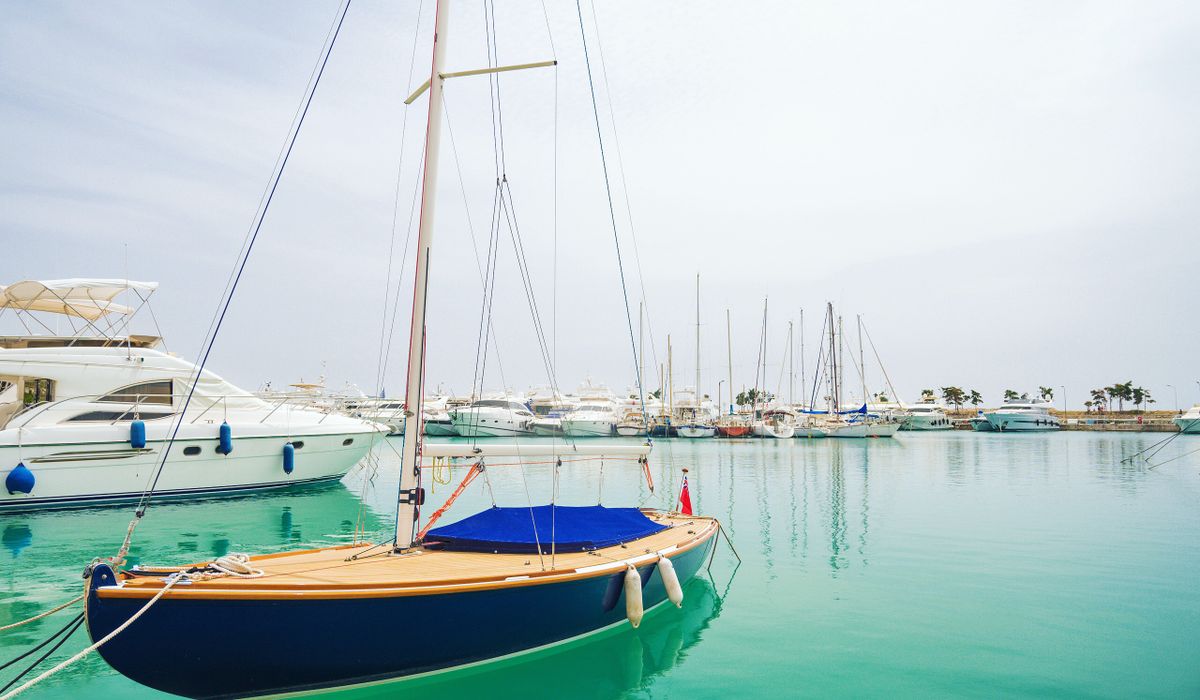
- Harbours, marinas and moorings, where antifouling paint, diesel and bilge water concentrate.
- Industrial estuaries and river mouths with a history of mining or heavy industry.
- Busy promenades and dog-walking beaches, for obvious reasons.
Check your local water quality information, which is published for designated bathing waters, and treat anything else with healthy suspicion. If the water looks murky, smells odd, or has a slick on it, walk on. An exposed, wave-washed Atlantic-facing shore is almost always a better bet than a sheltered, silty estuary.
Cut, Don't Pull — and Never Take the Holdfast
This is the rule that separates a considerate forager from a vandal. Seaweed anchors itself with a holdfast, a root-like structure that grips rock. It is not a root in the plant sense — it doesn't feed the weed — but tearing it away rips the whole organism off the rock and can leave the surface bare for years.
So:
- Cut with scissors or a sharp knife, leaving the holdfast and at least a third of the frond in place.
- For long-strapped kelps, take the upper portion of the blade and leave the stipe and base untouched.
- Take only a little from any one plant, and never strip a rock bare — move along the shore rather than clearing one spot.
- Never pull seaweed off a rock that's already under pressure from trampling, and never harvest from a bed you've seen others working hard.
- Prefer seaweed that has already been cast ashore after a storm if it's fresh and still attached to clean water — it costs the bed nothing.
Work on a falling tide, ideally a spring low, and give yourself a clear exit route. Never turn your back on the sea, and tell someone where you're going.
Know What You're Picking
Dulse (Palmaria palmata) is a reddish-purple, hand-shaped frond, best in spring and early summer. It grows on rocks and on the stipes of larger kelps, and it dries beautifully into dark, chewy flakes.
Kelp, including sugar kelp and oarweed, is the broad, brown, ribbon-like weed of the lower shore. It's at its best from late spring, and the midrib of sugar kelp is sweet and tender when sliced thin.
Laver and sea lettuce are the thin, sheet-like greens, high in protein and quick to cook. Gutweed, that bright green filamentous stuff, is edible but often grows where water quality is questionable — be picky.
Samphire is the odd one out: marsh samphire is a saltmarsh plant, not a seaweed, and it's a beloved summer crop in Norfolk, Essex and the Solent. Because it grows on land, it's usually subject to different rules — and on many reserves it's protected entirely. Rock samphire, a cliff plant, is a different species again and often best left alone.
If you're new to it, take one species at a time and learn it thoroughly. A good identification guide in your pocket beats a hopeful guess.
Check the Bylaws and the Map
Harvesting rules in the UK are a patchwork. Hand-gathering small amounts for personal use is generally tolerated on most foreshores, but that is not a blanket permission.
- Many local councils and harbour authorities have bylaws restricting or banning the removal of seaweed, shellfish and shore plants.
- Foreshore rights often belong to a private landowner, the Crown, or a trust — permission may be needed, particularly if you plan to sell anything.
- Sites designated as Marine Conservation Zones, Special Areas of Conservation, Sites of Special Scientific Interest or nature reserves frequently prohibit foraging outright.
- Commercial harvesting almost always requires a licence. Never assume you can scale up.
A quick call to the local council or harbour office before your first trip will save you a great deal of awkwardness later.
From Beach to Kitchen
Rinse your haul in clean seawater on the shore, then again in fresh water at home to remove sand, tiny grazers and salt. Spread it out and check it over carefully — small crustaceans hide in the fronds.
Use fresh seaweed within a couple of days in the fridge, or dry it. A low oven, a dehydrator, or simply a warm airing cupboard will do the job; once it's crackling dry, store it in sealed jars away from light. Dried dulse and kelp keep for a year or more and grind down into a seasoning that brings a deep, savoury note to soups, broths and bread.
Take a little, leave plenty, and come back next tide. That's the whole of it — and it's a habit that will keep our shorelines worth foraging for a long time yet.


Leave a reply