


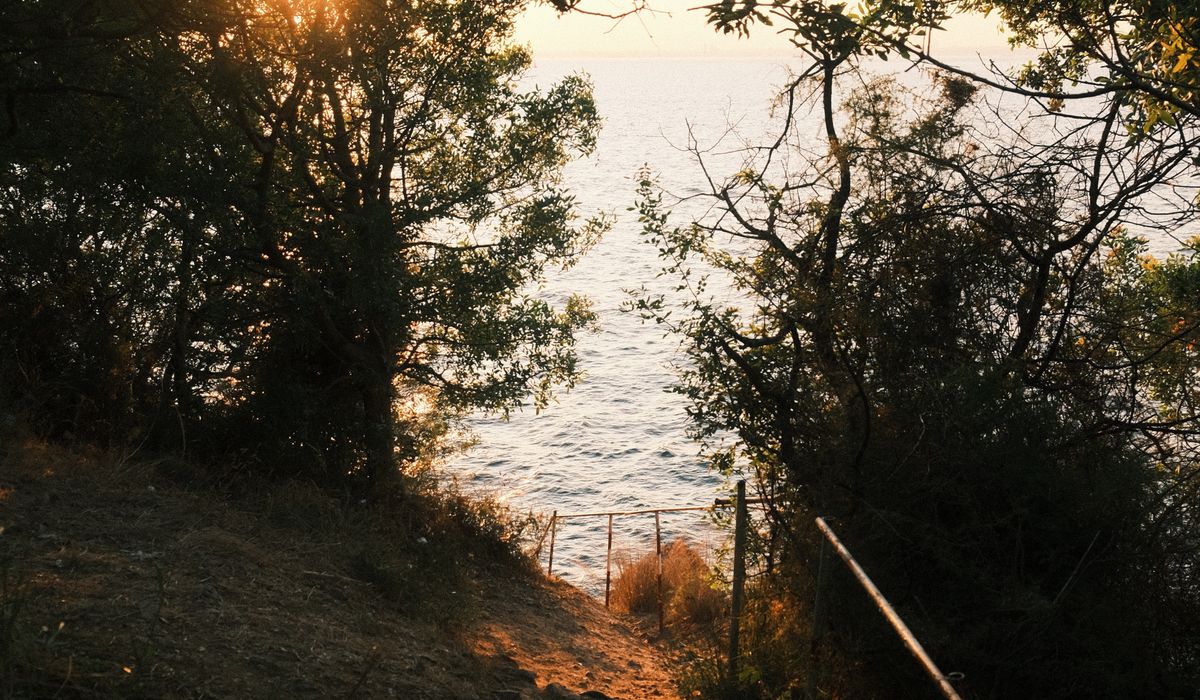
Read the coast before you walk it
The cliff paths of Cornwall, Pembrokeshire, Yorkshire and the Scottish coast offer some of the finest walking in Britain, but they are also among the least forgiving. An exposed cliff-top route combines wind, salt spray, loose rock and a tide that carries on regardless of your plans. A little preparation turns a nervy outing into a genuinely lovely day out.
Begin by choosing your route to suit the weather rather than hoping the weather suits your route. A short, sheltered stretch along an estuary or behind a headland can be far more enjoyable in a stiff south-westerly than five miles of open clifftop. Save the big views for a settled day, and give yourself permission to change your mind.
Check three things before you set off
These take ten minutes at the kitchen table and are the difference between a good day and a call to the coastguard.
- Tide times. Find the tide table for the nearest harbour, not the nearest town. Note the height as well as the time: a spring tide on a big range can swallow a beach or cut off a cove path that was perfectly passable at neaps. If your route drops down to a beach beneath the cliffs, plan to be back up well before high water, and remember that the sea often reaches further than the map suggests.
- The weather forecast. Wind speed and direction matter more than temperature. Gusts funnel around headlands and can be two or three times stronger than the general forecast. Look out for sea fret or coastal fog, which can arrive within minutes and turn a familiar path into a disorienting grey blur. After heavy rain, expect mud, slippery grass and a greater chance of cliff falls.
- Daylight. Work out your turnaround time from sunset, then subtract an hour. Cliff paths are slow underfoot, and the last kilometre in fading light is where most mishaps happen.
Tell someone your plan
Before you leave, tell a friend or family member four things: where you are starting, the route you intend to walk, roughly what time you expect to be back, and what they should do if they have not heard from you. A text message is enough, but be specific. "Walking the coast path near St Ives" is much less useful than "parking at the headland car park, walking west to the next bay and back, aiming to be at the car by 4pm."
Agree a cut-off time. If you are not back or in touch by then, they should try your phone, then ring 999 and ask for the coastguard, giving them your route and vehicle details. Leave a note on the dashboard with the same information. It feels fussy. It is also exactly the information that search teams need most.
What to carry on an exposed path
- Footwear with real grip. Trail shoes or walking boots with a decent tread. Smooth soles and wet clay are a poor combination.
- Layers and a waterproof. Even in July, a windproof layer over a warm base makes a huge difference on an exposed headland.
- Water, food and a hot drink. Cliff walking is slower and more tiring than the distance suggests.
- A paper map and compass, plus a charged phone and power bank. Signal comes and goes along the coast, often disappearing exactly where you need it.
- A whistle, a torch and a small first-aid kit. Light, cheap and invaluable if plans change.
Walking the path itself
Stay back from the edge. This is the single most important habit on any cliff path. Eroded edges are often undercut, with a lip of turf overhanging fresh air, and they can give way without warning. Keep at least a couple of metres back, and further on soft or sandy ground. Never stand on the very brink for a photograph, and resist the temptation to peer over to see the drop.
Keep dogs on a lead near the edge and around livestock, and keep children within arm's reach on narrow sections. Walk single file where the path is thin, and let faster walkers pass at a wide point rather than stepping aside onto unstable ground. Use gates and stiles properly, and follow diversion signs — they are usually there because the original path has fallen away.
Watch your footing on wet grass, muddy slopes and loose stone, particularly on descents into coves. Take breaks facing inland or well back from the edge, and eat and drink properly rather than pushing on. Tired legs make poor decisions on uneven ground.
Knowing when to turn back
Turning around is not failure; it is good judgement. If the wind is pushing you off balance, if cloud has dropped and you cannot see the next marker, if the path is badly eroded, or if you are simply not enjoying it, head back the way you came or take an inland route. Note the grid reference of your position from your map before you change direction, and tell your contact that your plans have altered.
If someone is injured or you are genuinely worried, ring 999 and ask for the coastguard. Give your location as precisely as you can, describe any landmarks, and stay put if it is safe to do so. The coast rewards those who plan, and it looks after them best when they keep one eye on the sea, one on the path, and one on the clock.


Leave a reply